

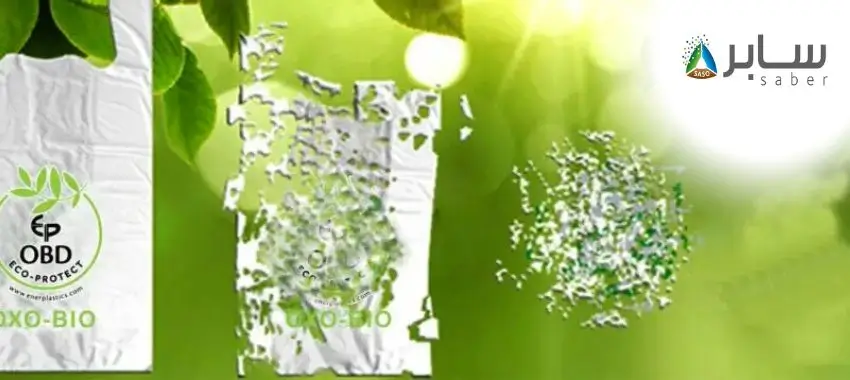
SASO-SABER OBD is the market term commonly used for the Saudi conformity route for oxo-biodegradable plastic products. In official SASO language, the service is the certificate or logo-licensing route for biodegradable plastic products under the Saudi technical regulation for degradable plastic products.
The purpose of this regulation is environmental protection. It is designed to make certain disposable plastic products placed on the Saudi market meet defined degradation and biodegradation requirements, while also supporting market surveillance and consumer protection.
For businesses, this means that in-scope products cannot simply be imported, marketed, displayed, or sold in Saudi Arabia without first checking whether the OBD requirements apply and whether the product must carry the approved degradable-plastic logo.
Why This Certificate Matters in Saudi Arabia
The Saudi market treats OBD compliance as a regulatory requirement, not as an optional marketing advantage. If a product falls within the scope of the technical regulation, the manufacturer or supplier is expected to complete the conformity route before placing the product on the market.
This is important for import planning, customs clearance, distributor onboarding, retail listing, and brand protection. A weak or incomplete file can create delays, objections, corrective actions, or product withdrawal risk.
For this reason, businesses dealing in disposable plastic products for Saudi Arabia should treat OBD compliance as part of their overall market-entry strategy rather than as a last-minute documentation exercise.
Which Products Commonly Require SASO-SABER OBD?
According to the technical regulation, the scope covers disposable products made from polyethylene and polypropylene that are often used for a short time and are specifically listed in the regulation. Common examples include carrier bags, courier bags, plastic wraps and covers, stretch and cling films, plastic liners for boxes, table covers, disposable personal-care plastic items, bakery and confectionery packaging bags, sapling bags, heat-shrinkable films, garbage bags, clothes bags, and certain one-time-use food-service plastic items.
In practical terms, businesses should check OBD applicability for shopping and retail bags, logistics and courier packaging, secondary packaging films, agricultural plastic bags, disposable protective plastic items, and similar short-life plastic products used in trade and distribution.
The official regulation also notes an exception for plastic products used in the medical and food industries, so scope should always be checked product by product rather than assumed from a broad product name alone.
Main Requirements for OBD Certification
A compliant OBD file usually starts with a scope check and product definition. The supplier must be properly registered, the product must fall within the scope of the regulation, and it must meet both the degradable-plastic requirements and any other relevant Saudi safety or technical requirements that apply to the product category.
The regulation also requires a valid conformity declaration, technical documents, and test reports from a registered laboratory. Those reports are expected to cover abiotic degradation, chemical analysis of residual and non-degradable fractions, and final aerobic biodegradation.
Another important requirement is the use of additives licensed by SASO in manufacturing. The manufacturer is also expected to maintain an effective environmental management system; ISO 14001 is specifically recognized by the regulation as fulfilling that requirement.
Marking and logo control are also important. The approved degradable-plastic logo must be used correctly, only on licensed products, and with the required product information, dates, and storage or usage details. Incorrect marking or lack of proper technical documentation can create non-conformity exposure even after import or sale.
Documents Generally Required
The exact file can vary by product, but a strong OBD submission normally includes the supplier’s commercial or industrial license, product details, material information, product photographs, manufacturing information, product artwork or print layout, declaration of conformity, and the technical file supporting compliance.
Test reports are one of the most important parts of the file. They should come from a registered or acceptable laboratory and should still be valid at the time of application. Supporting evidence for additives, packaging, product identification, and any product-safety conformity documents may also be required depending on the case.
Where the product is also subject to another Saudi technical regulation, evidence showing conformity with that product-safety route should be prepared as well. This is why early gap analysis is critical; many delays happen because the team focuses only on the degradability requirement and forgets the broader Saudi conformity context.
Validity, Timeline, and Compliance Risk
The technical regulation states that the license to use the logo is valid for one year and is renewable. Businesses should therefore track renewal windows carefully and avoid letting approvals lapse during ongoing supply or import activity.
SASO’s service-level listing shows a short processing window for the biodegradable plastic certificate once a complete and correct file has been submitted, but the real project timeline often depends on testing readiness, document gaps, printing corrections, and technical review cycles.
If OBD approval is not obtained for an in-scope product, the business may face customs issues, market-surveillance action, withdrawal from the market, seizure, advertising restrictions, and wider commercial disruption.
Qdot Methodology for SASO-SABER OBD Projects
Qdot’s methodology starts with an applicability review. We first study the product, material type, intended use, packaging format, labeling, and target Saudi route to determine whether the OBD regulation applies and what additional Saudi requirements may sit alongside it.
The second step is gap analysis. We review the available documents, test evidence, artwork, declarations, and manufacturing details to identify missing items, outdated reports, unsuitable additives, unclear product descriptions, or technical inconsistencies that may create rejection or delay.
The third step is document structuring and compliance alignment. This includes helping the client organize the technical file, review the required evidence, align the product information, and prepare the submission in a clearer and more regulator-friendly manner.
The fourth step is application support and follow-up. Qdot coordinates with the client and relevant stakeholders so that clarifications, document revisions, and product-level compliance questions are handled quickly and professionally.
The final step is post-approval support. Where needed, we continue to support renewal planning, product changes, new SKUs, packaging revisions, and related Saudi market-access questions so the client maintains continuity instead of treating every shipment or product change as a new crisis.
Why Choose Qdot for SASO-SABER OBD Consultancy?
Qdot is well positioned for OBD consultancy because this service demands more than a checklist. Businesses need practical support with scope interpretation, technical documentation, declaration review, laboratory evidence, marking requirements, and overall Saudi market-entry readiness.
We focus on making the process commercially practical. Our support is designed to reduce confusion, improve document quality, shorten avoidable back-and-forth, and help manufacturers, traders, brand owners, and importers move forward with clearer compliance direction.
Clients also choose Qdot because we understand that product registration projects affect launch dates, stock movement, distributor confidence, and customer commitments. Our role is not only to explain requirements, but to help turn incomplete files into workable submission packages.
Who Should Apply for OBD Support?
This service is relevant for manufacturers, importers, exporters, traders, distributors, private-label owners, packaging suppliers, and brand owners who place covered disposable plastic products in the Saudi market.
It is particularly useful for companies supplying retail packaging, courier packaging, disposable protective plastics, agricultural plastic bags, or single-use polyethylene or polypropylene products where Saudi OBD applicability may arise.
If a business is unsure whether its product is in scope, that uncertainty itself is usually the right time to start a proper compliance review.
FAQ's
OBD generally refers to oxo-biodegradable plastic requirements and the related Saudi conformity route for in-scope disposable plastic products.
If the product falls within the scope of the Saudi technical regulation for degradable plastic products, the relevant conformity and logo requirements are mandatory before the product is marketed in Saudi Arabia.
The regulation focuses on disposable polyethylene and polypropylene products listed in the scope and annexes of the technical regulation.
Yes. Test evidence is a core part of the file, and the technical regulation specifically refers to reports covering degradation and biodegradation parameters from an acceptable laboratory.
The technical regulation states that the logo usage license is valid for one year and can be renewed.
Yes. Scope review and applicability assessment are often the most valuable starting points for OBD projects, especially for importers and private-label businesses.